The Complete Guide to Dental Implants in Texas: What Patients Should Know
- Health & Wellness
- 2 min
- A quick refresher on what an implant is
- Are you a good candidate?
- Choosing a provider
- Costs, insurance and paying for treatment
- Implants and the alternatives
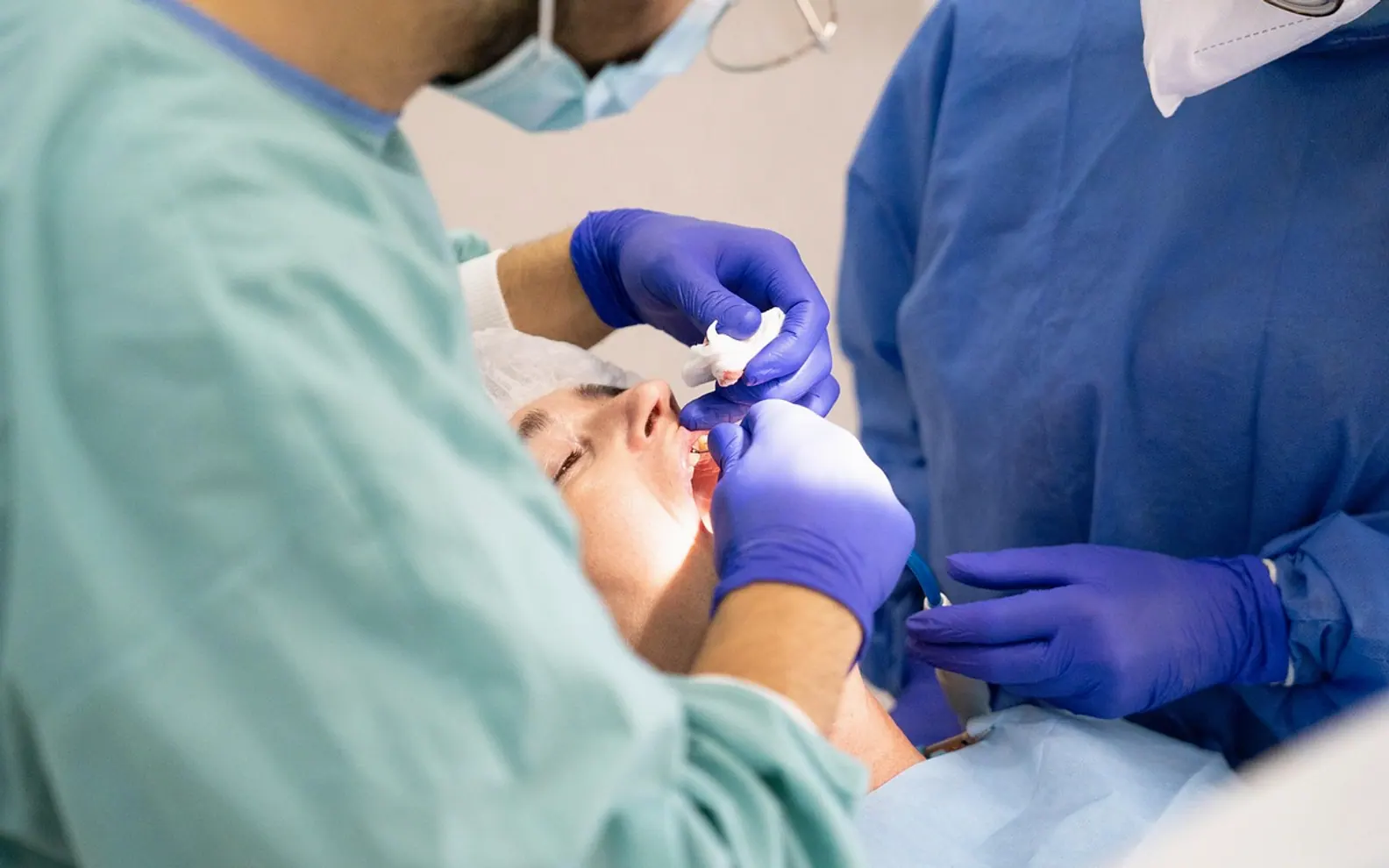
Texas is a big state with a wide spread of dental care, from small-town family practices to large specialist centres in Houston, Dallas, Austin and San Antonio. That choice is helpful, but it also means patients face more decisions before any treatment begins. This guide walks through the practical side of getting an implant in the state, so the first consultation feels like a conversation rather than a sales meeting.
A quick refresher on what an implant is
An implant is an artificial root, normally a titanium post, placed in the jaw where a tooth used to be. After the bone has healed around it, a crown, bridge or denture is attached. Because the post is anchored in bone, it does not rely on neighbouring teeth for support the way a traditional bridge does.
Are you a good candidate?
Suitability depends on more than the gap itself. A dentist will usually consider:
- the amount and quality of bone in the area
- gum health and any active infection
- general health conditions, such as diabetes, and how well they are managed
- smoking and other habits that slow healing
- medicines that may affect bone or bleeding
If bone is thin, grafting or a sinus lift may come first, which adds time to the plan. Only a dental professional who has examined you and reviewed your scans can say what applies in your case.
Choosing a provider
General dentists, periodontists and oral surgeons all place implants, sometimes working together with a restorative dentist who designs the crown. When comparing clinics, ask who will carry out each stage, what imaging they use, how many follow-up visits are included, and what happens if a complication arises. Texas also has university dental schools, where supervised students and residents treat patients, which some people consider when budget is a concern.
Costs, insurance and paying for treatment
Fees vary widely by city, clinic and the complexity of the case, so a written, itemised estimate is essential. Check whether it includes scans, the post, the connecting piece, the crown and any grafting. Many dental insurance plans treat implants as a major procedure with waiting periods and annual limits, while some cover only part of the work. Health savings accounts and in-house payment plans are other routes patients use. Comparing the long-term picture with alternatives is more useful than looking only at the first bill.
Implants and the alternatives
| Option | Supported by | Points to weigh |
|---|---|---|
| Implant | Post in the jawbone | Surgery and healing time; helps keep bone in use |
| Fixed bridge | Neighbouring teeth | Faster; adjacent teeth are reshaped |
| Removable partial denture | Gums and clasps | Lower upfront cost; may need relining over time |
Recovery after placement is usually manageable, with some swelling and tenderness for a few days and soft food for a while. Follow the aftercare instructions closely, keep every review appointment and contact the clinic promptly if pain increases or a fever develops. Long term, daily brushing, cleaning between teeth and routine professional cleanings protect the investment, and a well-cared-for implant can serve comfortably for many years.
Read as background, not advice Rain Urbana explains everyday health in general terms and cannot diagnose or treat anyone. Talk to a GP, pharmacist or dentist before changing medicines, diet or activity.