Waist-to-Height Ratio: A Simple Check to Read Beside Your BMI
- Weight & Movement
- 3 min
- Why waist size matters
- How to measure your waist properly
- Working out the ratio
- Reading it next to BMI
- What helps if your waist is creeping up
- Tracking without obsessing
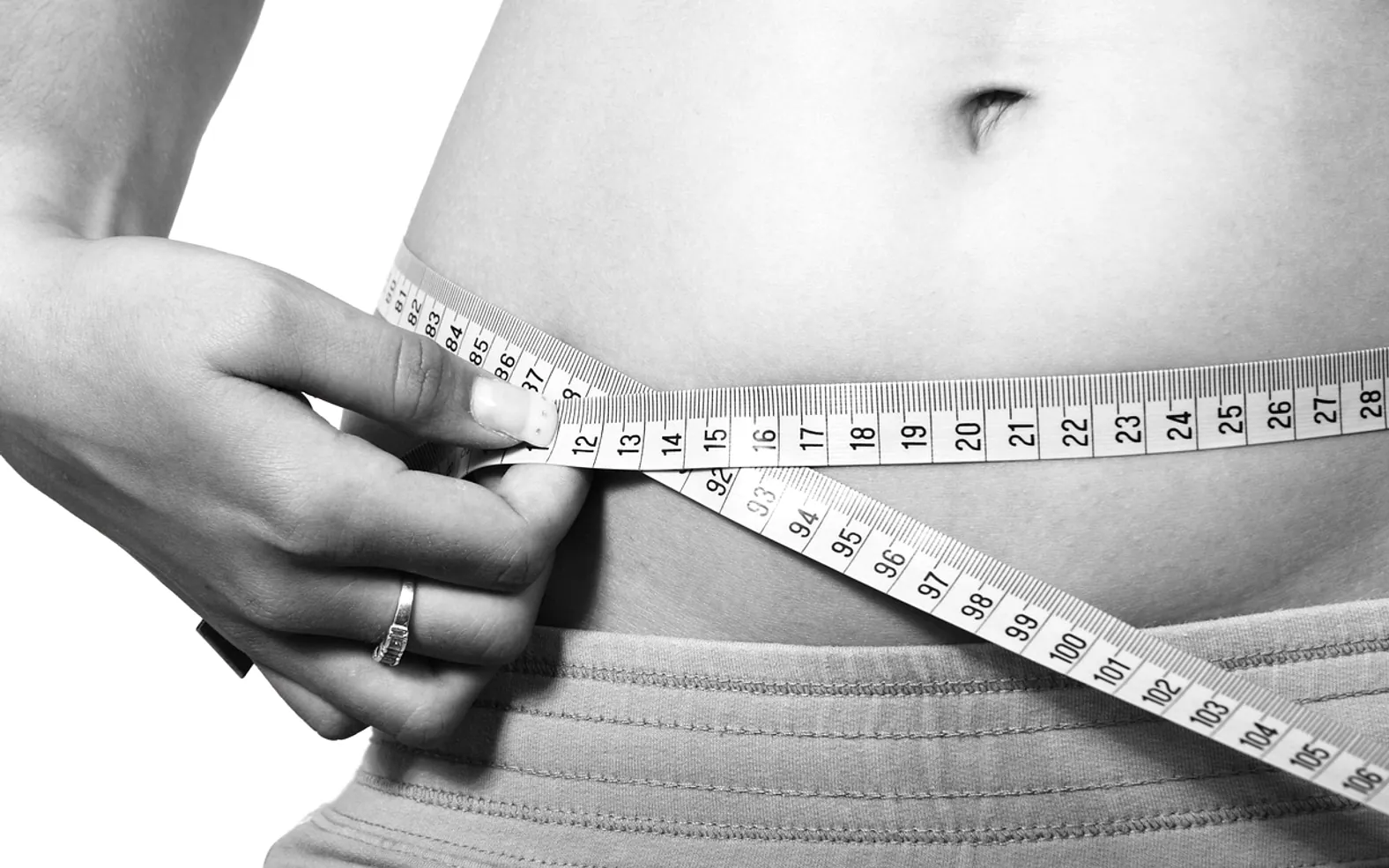
Most people have heard of body mass index, the familiar number worked out from weight and height. Fewer know about waist-to-height ratio, a simpler check that needs nothing more than a tape measure. It does not replace BMI or a proper health check, but it adds something BMI leaves out: where on the body weight is carried.
Why waist size matters
Fat stored around the middle of the body, deep around the organs, is generally linked with a higher risk of problems such as type 2 diabetes and heart disease than fat stored elsewhere. Two people with the same BMI can carry their weight very differently. One may hold more around the hips and thighs, the other more around the waist. A waist measurement helps tell those two pictures apart.
If you want a refresher on BMI itself and on gradual, realistic weight change, our article on losing some weight with a BMI perspective covers the basics.
How to measure your waist properly
A badly taken measurement gives a misleading answer, so it is worth a minute of care.
- Use a soft tape measure, the kind used for sewing.
- Stand up straight with your feet together and your top lifted out of the way.
- Find the bottom of your lowest rib and the top of your hip bone on one side. Your waist sits about halfway between the two, which for many people is close to the belly button.
- Wrap the tape around at that level, keeping it flat and level all the way round, snug but not digging in.
- Breathe out normally and read the number at the end of a relaxed breath, without sucking in.
Measure height in the same units, standing against a wall without shoes.
Working out the ratio
Divide your waist measurement by your height. Both need to be in the same unit, centimetres or inches. The result is a number below one.
| Step | What you do |
|---|---|
| 1 | Measure your waist at the midpoint described above |
| 2 | Measure your height in the same unit |
| 3 | Divide waist by height |
| 4 | Note the result and the date, so you can compare later |
A widely used rule of thumb is to keep your waist to less than half your height, which gives a ratio under 0.5. Some health services describe further bands above that point to indicate increasing risk. Treat these as rough guides rather than hard lines, and remember that guidance may differ for children, during pregnancy and for some ethnic groups.
Reading it next to BMI
BMI and waist-to-height ratio work best as a pair. Each has blind spots:
- BMI cannot tell muscle from fat, so very muscular people can score high without carrying much fat.
- Waist-to-height ratio focuses on the middle of the body but says nothing about overall fitness, diet or blood pressure.
- Together they give a fuller sketch, and a GP or practice nurse can add the measurements that matter most, such as blood pressure and blood tests.
What helps if your waist is creeping up
Spot reduction does not really work, so endless sit-ups will not target the waist. What tends to help is the familiar, unglamorous combination of everyday habits:
- Moving more through the day, including short bursts of activity. Our guide to exercise snacks has ideas that fit a busy schedule.
- Building meals around vegetables, whole grains, beans and lean proteins.
- Cutting back on sugary drinks and keeping alcohol within national guidelines.
- Protecting sleep, since short nights are often linked with snacking and lower energy for activity.
- Finding ways to manage stress that do not revolve around food.
Small changes kept up for months usually beat dramatic plans abandoned after a fortnight.
Tracking without obsessing
Waist size shifts slightly through the day and after a large meal, so occasional checks are more meaningful than daily ones. Measuring once a month, at the same time of day and in the same spot, gives a fair picture of the trend. If the numbers start to cause anxiety, take a break from measuring and focus on habits instead.
When a tape measure is not enough
Book an appointment with a GP or practice nurse if your ratio is above the half-your-height guide and you have other concerns, such as a family history of diabetes or heart disease, raised blood pressure, or symptoms like increased thirst or tiredness. Seek advice too if your waist or weight changes quickly without an obvious reason, or if you are thinking about a weight-loss medicine or supplement. A professional can look at the whole picture, which no tape measure can do.
Read as background, not advice Rain Urbana explains everyday health in general terms and cannot diagnose or treat anyone. Talk to a GP, pharmacist or dentist before changing medicines, diet or activity.