Why Are My Teeth Shifting? Common Reasons in Adults and What Helps
- Oral Health
- 4 min
- Signs that teeth are moving
- How teeth are held in place
- Common reasons adult teeth shift
- Gum health comes first
- What can help
- Common questions
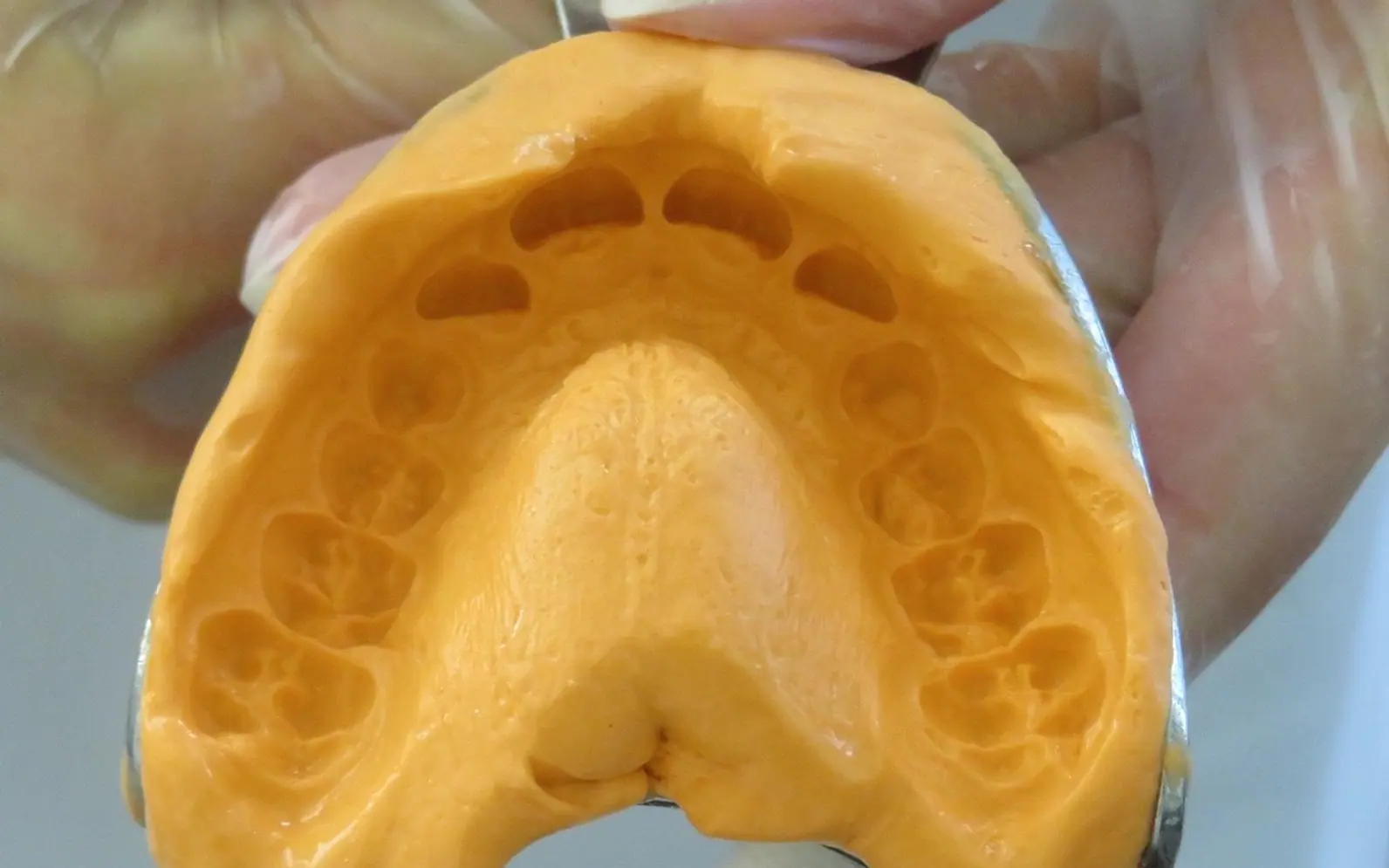
Adult teeth can shift because they are held in place by living tissue rather than set in solid bone like posts in concrete. Small movements over many years are normal. Noticeable shifting usually has a cause, though: not wearing a retainer after braces, gum disease, a missing tooth, grinding or simple age-related change. Some of these are harmless and cosmetic; others, especially gum disease and loosening, need a dentist's attention sooner rather than later.
Signs that teeth are moving
- A gap opening between two teeth that used to touch
- Lower front teeth starting to overlap or crowd
- Food catching in new places
- Your bite feeling different when you close your mouth
- A retainer that suddenly feels tight or no longer fits
- A tooth that seems to stick out further than before
How teeth are held in place
Each tooth sits in a socket in the jawbone, attached by a thin layer of fibres called the periodontal ligament. This arrangement lets teeth cushion the force of chewing, and it is also why orthodontic treatment can move them. The same flexibility means teeth respond to pressure from the tongue, lips, cheeks, neighbouring teeth and the opposite jaw throughout life.
Common reasons adult teeth shift
| Reason | What happens | Typical sign |
|---|---|---|
| Not wearing a retainer | Teeth tend to drift back towards their old positions after braces or aligners | Gradual return of old crowding or gaps |
| Gum disease | Loss of supporting bone and tissue lets teeth loosen and fan out | New gaps, bleeding gums, teeth feeling loose |
| A missing tooth | Neighbouring teeth can tilt into the space and the opposite tooth may move towards it | Changed bite, food trapping |
| Grinding and clenching | Heavy, repeated forces push on the teeth | Worn edges, sore jaw on waking |
| Age-related change | Slow drifting over decades, often in the lower front teeth | Mild crowding that creeps in over years |
| Tongue and lip habits | Constant pressure, such as pushing the tongue against the front teeth | Front teeth flaring forward or gaps appearing |
| Injury | A blow can loosen or displace a tooth | A tooth out of line after an accident |
Wisdom teeth are often blamed for crowding at the front. Dentists do not all agree on how much they contribute, so it is worth discussing your own situation rather than assuming they are the cause.
Gum health comes first
Of all the causes, gum disease is the one not to ignore, because shifting may be a sign that the support around the teeth is being lost. Bleeding when you brush, persistent bad breath, gums pulling back and teeth that feel loose are all reasons to book a check-up. The guide to receding gums explains how gum recession develops and how it is managed.
What can help
Wearing retainers as advised
If you have had orthodontic treatment, retainers are usually needed long term to keep teeth where they were moved. If yours no longer fits, stop forcing it in and ask your dentist or orthodontist for advice.
Treating gum disease
A professional clean above and below the gumline, followed by careful home cleaning, can stabilise the gums and reduce further movement.
Filling gaps from missing teeth
Replacing a lost tooth can stop neighbours drifting into the space. Options include bridges, dentures and implants; the article on modern dental implants explains how one of them works.
Protecting against grinding
A custom night guard spreads the forces of clenching and protects the edges of teeth. Grinding can also chip teeth, which the guide on what to do about a chipped tooth covers.
Straightening as an adult
Braces and clear aligners are widely used by adults. A dentist or orthodontist will usually check that the gums are healthy before any treatment starts, since moving teeth in unhealthy gums can make problems worse. Small gaps can sometimes be closed with tooth-coloured bonding instead.
Common questions
Can teeth move back on their own?
Sometimes a little, if the cause is removed early, but teeth that have drifted significantly rarely return to their old position without treatment.
Is it normal for teeth to feel slightly loose?
Teeth have a very small amount of natural give. A tooth that you can clearly wiggle with your tongue or finger is not normal in an adult and should be checked.
Does shifting always need treatment?
No. Mild, stable changes that cause no problems may simply be monitored at check-ups. Treatment is more likely to be suggested if the movement is ongoing, affects your bite or makes cleaning difficult.
When to see a dentist
Book an appointment if you notice new gaps, crowding or a change in your bite, if a retainer stops fitting, or if your gums bleed or recede. Seek prompt care if a tooth becomes loose, especially after an injury, or if you have pain, swelling or a bad taste around a moving tooth.
Read as background, not advice Rain Urbana explains everyday health in general terms and cannot diagnose or treat anyone. Talk to a GP, pharmacist or dentist before changing medicines, diet or activity.