Sleeping Through City Noise: A Guide for Restless Bedrooms
- Rest & Recovery
- 4 min
- Why noise is so good at waking us
- Step one: find out what you are dealing with
- Quietening the room itself
- Masking what still gets in
- Earplugs and sleep headphones
- Calming the listening mind
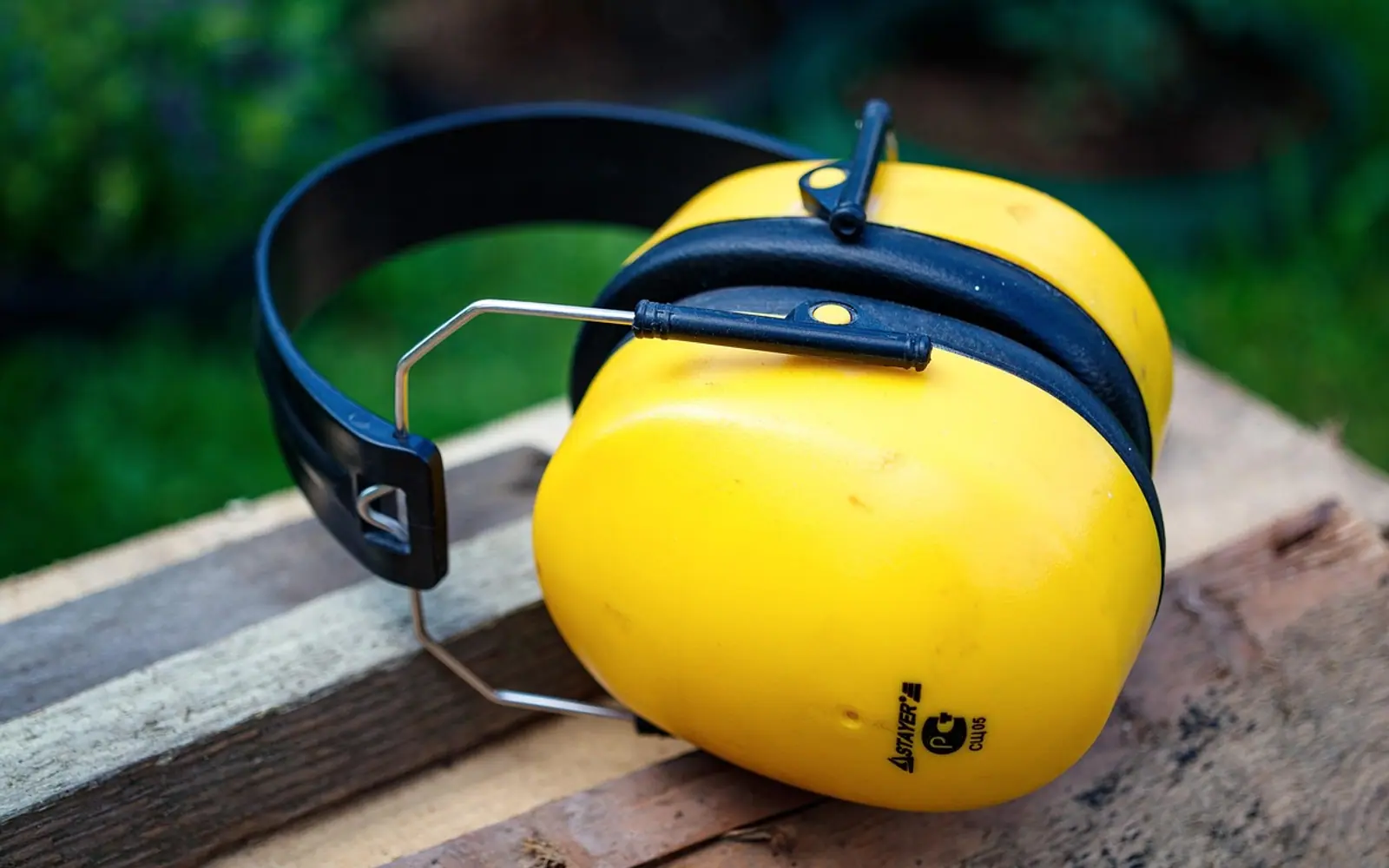
City life comes with a soundtrack. Buses brake under the window, someone's car alarm starts at one in the morning, and the flat upstairs seems to rearrange furniture at midnight. You cannot switch the street off, but you can change how much of it reaches your pillow and how strongly your brain reacts when it does.
Why noise is so good at waking us
Even during sleep, the brain keeps half an ear on the world. That made sense for our ancestors, and it still means sudden or changing sounds are more disruptive than steady ones. A constant hum from a fan rarely wakes anyone. A single motorbike revving, a door slamming or a voice raised in the corridor is far more likely to pull you to the surface. Some people wake fully, while others simply drift into lighter sleep and feel unrefreshed in the morning without knowing why.
For background on how much rest adults generally need, see our piece on how many hours of sleep you need.
Step one: find out what you are dealing with
Before buying anything, spend a few evenings noticing the noise. Is it traffic that rises and falls, voices from a bar, pipes in the walls, or footsteps overhead? Does it peak late at night or early in the morning? Low rumbles travel through walls and floors, while higher sounds slip in mainly through gaps around windows and doors. Knowing which you face helps you choose the right fix.
Quietening the room itself
Windows and doors
Windows are usually the weakest point. Check the seals and fill gaps with draught strips. Heavy, lined curtains that reach the floor soften both light and sound. If you rent, removable window inserts or thick curtains are often allowed where structural changes are not.
Soft surfaces
Bare floors and empty walls bounce sound around. Rugs, a full bookcase against a shared wall and upholstered furniture all absorb some of it. None of these is dramatic alone, but together they make a room feel noticeably calmer.
Where the bed sits
If you can, move the bed away from the street-facing wall or the wall you share with the noisiest neighbour. Sometimes swapping bedroom and spare room makes the biggest difference of all.
Masking what still gets in
Because steady sound disturbs less than sudden sound, adding a gentle, even background can hide the peaks. Options include:
- A fan for a low, constant whirr.
- A white-noise or nature-sound machine, set as quietly as still works.
- An app on a phone placed across the room, with notifications silenced.
Keep the volume modest. The aim is a soft blanket of sound, not another loud noise to sleep through.
Earplugs and sleep headphones
Foam earplugs are cheap and effective for many people. Roll them thin, insert them gently and let them expand. Silicone or wax versions suit those who find foam uncomfortable. Slim sleep headphones are another option for side sleepers who like background sound. Keep plugs clean, replace them often and stop using them if your ears become sore or itchy. Anyone with ear problems, frequent infections or a build-up of wax should check with a pharmacist or GP before using them every night.
One caution: make sure you can still hear a smoke alarm or a child who might need you. Test this once with the plugs in.
Calming the listening mind
Once a noise has woken you a few times, you can start lying awake waiting for it. That alert, braced feeling can keep you up even on quiet nights. A few habits help:
- Keep a regular bedtime and wake time so your body expects sleep at the same hour.
- Wind down with something calm and low-light for the last half hour of the evening.
- If you wake, avoid checking the time and try slow breathing rather than replaying the noise.
- If you are still awake after what feels like a long while, get up, sit somewhere dim and return to bed when sleepy.
After a broken night, a short early-afternoon rest can take the edge off. Our guide on taking a power nap explains how to keep it brief so it does not spoil the next night.
Dealing with neighbours
When the source is next door, a friendly word at a calm moment often achieves more than a note under the door at two in the morning. Many people simply do not realise how far sound travels. If talking does not help, your landlord, building manager or local council may have a process for repeated night-time noise.
When to get help
Noise is a common cause of poor sleep, but it is not the only one. See a GP if you have struggled to sleep for several weeks, if tiredness is affecting work or driving, or if you wake with headaches, a dry throat or the feeling you have not slept at all. Those signs can point to something worth checking, such as a breathing problem during sleep, and are worth raising even if the street outside is loud.
Read as background, not advice Rain Urbana explains everyday health in general terms and cannot diagnose or treat anyone. Talk to a GP, pharmacist or dentist before changing medicines, diet or activity.