How to Take a Power Nap That Leaves You Sharper
- Rest & Recovery
- 4 min
- What a power nap is, and what it is not
- How long to nap
- When to nap
- Setting up a nap in a busy day
- The nap itself
- Waking up well
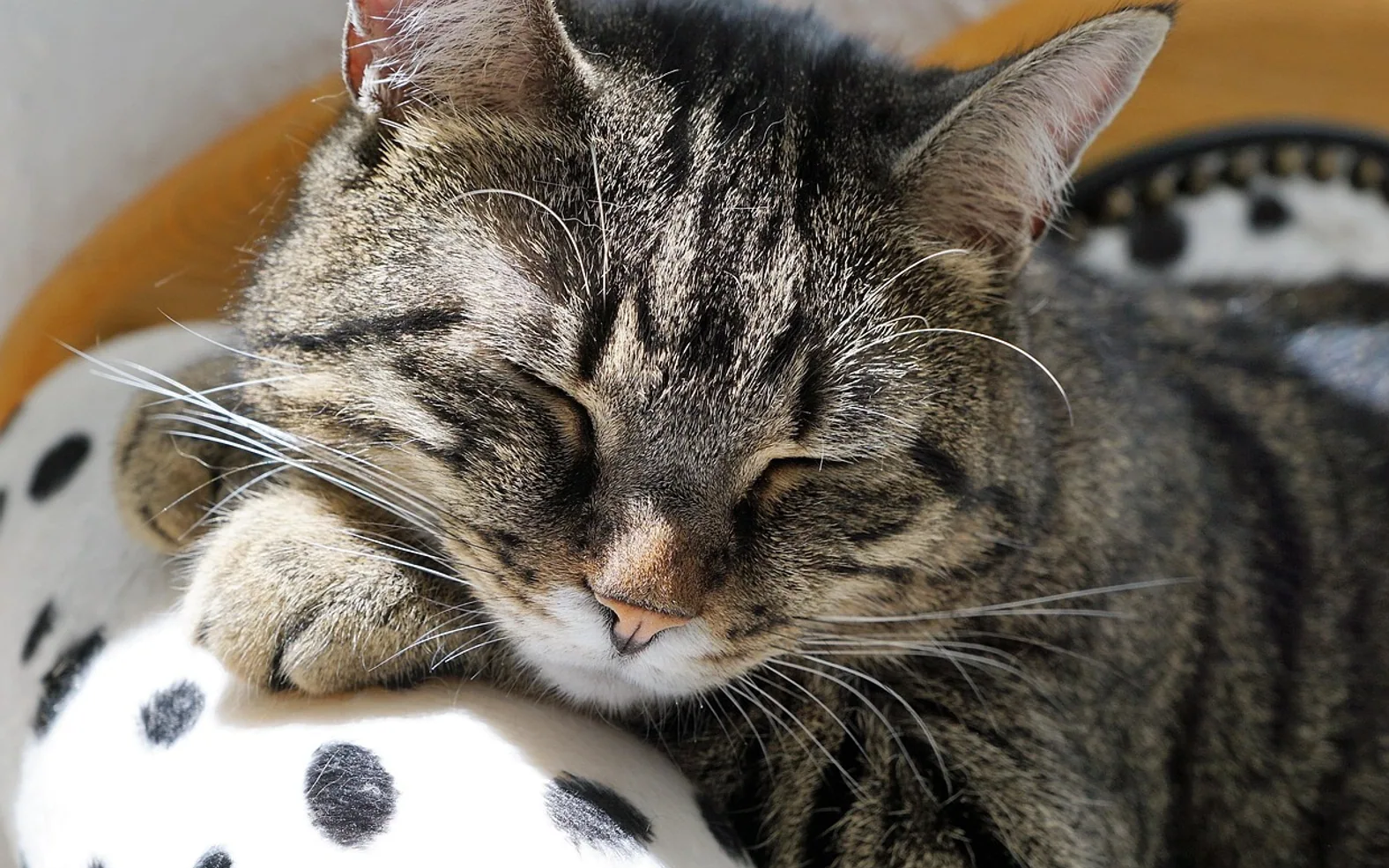
Some afternoons the screen starts to blur, the third coffee does nothing and every email needs reading twice. A brief nap can be a surprisingly practical answer. The trick is that a good power nap is planned rather than stumbled into: short enough to wake up easily, early enough not to steal from the night, and taken somewhere your body can actually let go.
What a power nap is, and what it is not
A power nap is a deliberate, brief rest during the day, usually taken sitting back or lying down with the aim of feeling more alert afterwards. It is not a replacement for a proper night in bed. If you regularly need a long sleep every afternoon just to function, that pattern is worth looking at on its own, and our guide on how many hours of sleep you need is a good place to start.
Used well, a nap is more like a short reset. People often describe feeling clearer, a little calmer and better able to concentrate for the rest of the afternoon.
How long to nap
The most common suggestion is to keep a power nap short, somewhere around ten to twenty minutes. The reasoning is simple. Sleep moves through lighter and deeper stages, and the longer you stay down, the more likely you are to drift into deep sleep. Waking from that stage is what produces the heavy, foggy feeling sometimes called sleep inertia.
Longer naps are not forbidden, and some people find a full sleep cycle refreshing on a free weekend. On a workday, though, the short version is easier to fit in and far less likely to leave you stumbling back to your desk.
| Nap style | How it often feels afterwards | Best suited to |
|---|---|---|
| A short rest of a few minutes | Slightly refreshed, little grogginess | A quick pause between meetings |
| Roughly ten to twenty minutes | Clearer and more alert for a while | A typical working afternoon |
| A longer, deeper nap | Possibly groggy at first, then rested | Days off, or after a disturbed night |
When to nap
For many adults the natural dip in energy arrives in the early afternoon, often after lunch. That is usually the kindest window for a nap. Leaving it until late in the day tends to backfire, because a rest in the early evening can make it harder to fall asleep at bedtime, which only sets up another tired afternoon tomorrow.
If you work shifts, the timing changes. A short nap before a late or night shift can help some people stay alert, but shift patterns are personal, so experiment carefully and talk to your occupational health team or GP if fatigue is affecting safety.
Setting up a nap in a busy day
Few of us have a quiet bedroom available at two in the afternoon. You can still make a nap work with a little preparation.
- Find a dim corner. A parked car, a quiet meeting room, a bench in a park or simply your sofa at home. An eye mask helps where you cannot control the light.
- Cut the noise. Earplugs or a pair of headphones with soft background sound can block chatter and traffic.
- Set an alarm before you close your eyes. Knowing you will be woken makes it easier to relax instead of checking the clock.
- Get comfortable but not too comfortable. Reclining slightly rather than climbing into bed can keep the nap light.
- Silence notifications. A single message buzz can undo the whole thing.
The nap itself
- Lie back and let your shoulders drop.
- Take a few slow breaths, breathing out a little longer than you breathe in.
- Do not chase sleep. Simply resting with your eyes closed still counts and often helps.
- When the alarm goes, sit up straight away instead of hitting snooze.
Some people like to drink a small coffee just before lying down, on the idea that the caffeine starts to work around the time they wake. It suits some and not others, and it is best avoided if caffeine already disturbs your night or if you have been told to limit it.
Waking up well
The first few minutes after a nap set the tone. Open the blinds or step outside into daylight, splash cold water on your face and have a glass of water. A short walk around the block or up a flight of stairs helps shake off any lingering heaviness. Give yourself a minute or two before diving into anything that needs careful judgement.
When napping is not the answer
A nap treats ordinary afternoon tiredness. It is not a fix for persistent exhaustion. Speak to a GP if you notice any of the following:
- You feel very sleepy during the day despite what seems like enough sleep at night.
- You fall asleep without meaning to, for example while reading, watching television or, more worryingly, driving.
- Someone has noticed loud snoring, gasping or pauses in your breathing at night.
- Tiredness comes with other changes, such as low mood, unexplained weight change or breathlessness.
Never rely on a nap to make a long drive safe. If you feel drowsy behind the wheel, stop somewhere safe and rest properly, and do not set off again until you feel alert.
A small habit worth testing
Try a short, planned nap on two or three afternoons this week and jot down how you feel an hour later and how you sleep that night. If the notes show sharper afternoons and unchanged nights, you may have found a useful tool. If your nights get worse, drop the nap or move it earlier. Your own record is more useful than any general rule.
Read as background, not advice Rain Urbana explains everyday health in general terms and cannot diagnose or treat anyone. Talk to a GP, pharmacist or dentist before changing medicines, diet or activity.