Blackout Curtains for Better Sleep: Keeping Streetlight Out of a City Bedroom
- Rest & Recovery
- 4 min
- Why darkness matters for sleep
- Curtains, blinds or both?
- Stopping light leaks
- A few things to watch
- Daytime sleepers and shift workers
- When darkness is not the answer
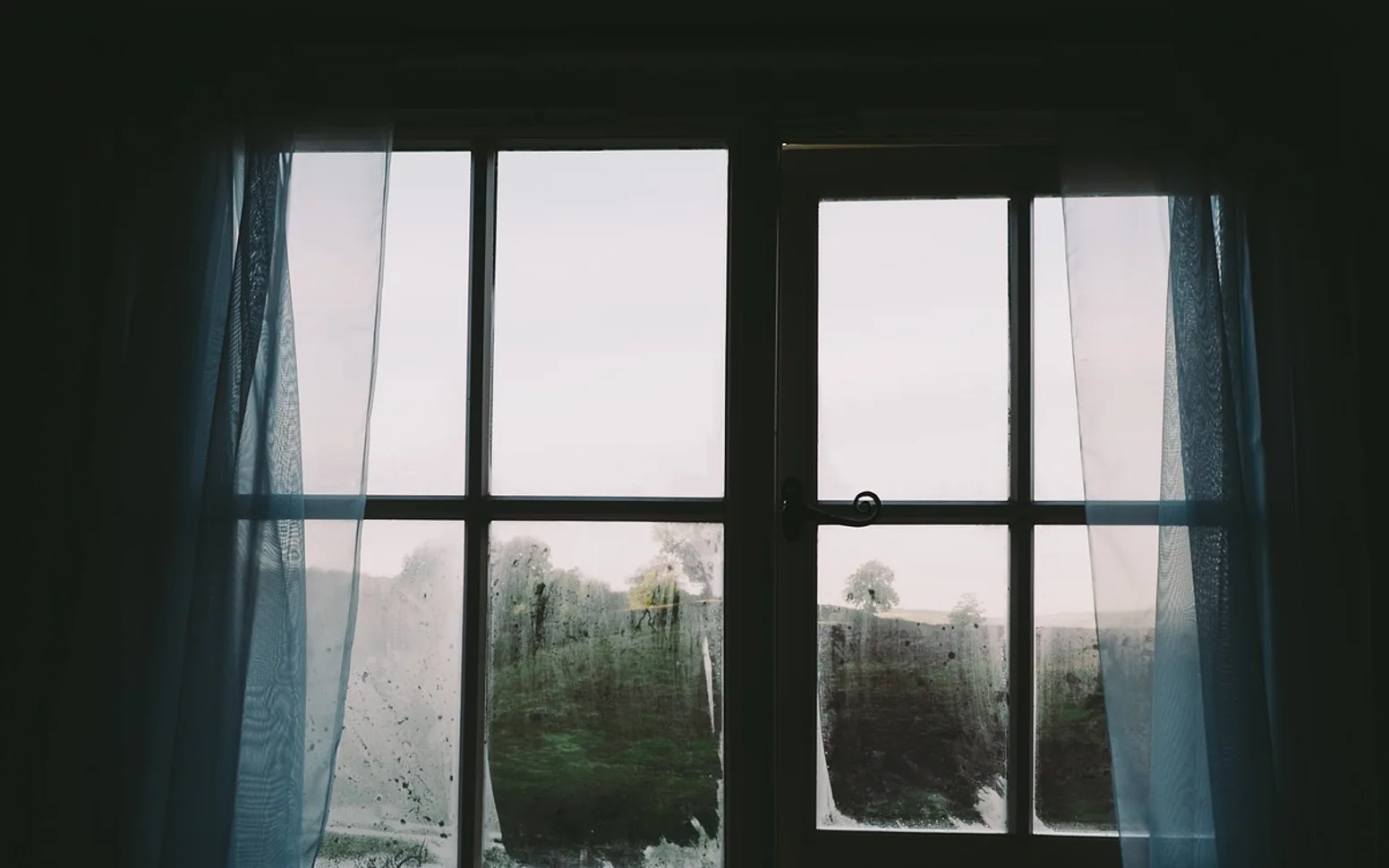
Blackout curtains can help you sleep better if light from outside is reaching your bed. They block streetlights, shop signs, passing headlights and the early sun of summer mornings, giving your body a clearer signal that it is night. The catch is that a curtain only works as well as its fit: light slipping around the edges and over the top can undo much of the benefit, so how you hang them matters as much as which ones you buy.
Why darkness matters for sleep
The body clock takes many of its cues from light. In the evening, falling light levels help the body release melatonin, a hormone linked with feeling sleepy. Light at night, even from outside the window, can make it harder to drift off for some people and may lighten sleep. In the morning, bright light helps you wake, which is useful at 7 am and less welcome at 4.30 am in midsummer.
In a city, a bedroom rarely gets fully dark without help. A streetlight outside the window, a neon sign across the road or the glow from neighbouring flats can keep a room surprisingly bright all night. If you sleep lightly or wake earlier than planned, light is worth ruling out alongside other causes, such as noise. The guide on sleeping through city noise covers that second culprit.
Curtains, blinds or both?
| Option | Strengths | Weak points |
|---|---|---|
| Blackout curtains | Block light well, add some insulation, easy to fit to most poles | Light can leak at the top and sides unless they overlap the frame |
| Blackout roller blinds | Sit close to the glass, neat and compact | Gaps along the edges unless fitted inside side channels |
| Curtains plus a blind | The darkest result for most windows | More to fit, more to open in the morning |
| Temporary blackout film or panels | Useful for rentals or awkward windows | Can look makeshift; some stop daylight entirely until removed |
| Sleep mask | Cheap, portable, no fitting needed | Not everyone finds one comfortable all night |
Stopping light leaks
Most complaints about blackout curtains come down to light creeping in around the edges. Some simple adjustments go a long way:
- Go wider than the window. Choose a pole or track that extends well beyond the frame on both sides so the curtains overlap the wall.
- Go higher than the window. Mounting the pole above the frame, or adding a pelmet, cuts the bright strip that shines over the top.
- Let them reach the sill or floor. Short curtains leave a glowing band beneath.
- Close the centre gap. Overlapping curtain arms, a couple of small magnets or a clip in the middle stop the panels drifting apart.
- Consider a wraparound rail that curves back to the wall, which blocks side leaks.
- Check the fabric. Hold it up to a bright window in the shop or at home; a lined, tightly woven curtain should show almost no light through.
Once the window is sorted, glance around the room. Standby lights on televisions, chargers and routers can be surprisingly bright in a dark room. A small piece of tape or moving the device usually solves it.
A few things to watch
Waking up in total darkness
Some people find it hard to get going when the room stays black in the morning. Opening the curtains as soon as you wake, or using a wake-up light, gives the body its daylight cue. Getting some natural light early in the day also helps keep your sleep rhythm steady.
Blind cords and young children
Looped cords on blinds can be dangerous for babies and small children. Choose cordless designs where children sleep or play, or make sure cords are secured well out of reach with proper safety devices.
Ventilation and exits
Heavy curtains should not stop you opening windows for fresh air or blocking a window you might need in an emergency. Make sure you can draw them back quickly.
Damp
Thick curtains pressed against cold glass can trap condensation. Open them during the day to let the window dry and air the room.
Daytime sleepers and shift workers
If you work nights and sleep in the day, darkness matters even more, because you are sleeping when the body expects light. Blackout curtains, a blind and an eye mask together can make a real difference. A short rest before a late shift may also help; the article on taking a power nap explains how to keep it brief.
When darkness is not the answer
If the room is dark and quiet and you still struggle to sleep, look at the wider picture: total sleep time, regular hours, caffeine, stress and health. The guide on how many hours of sleep you need sets out the general ranges. The guide to keeping a sleep diary is a good way to collect clues. Speak to a GP if poor sleep goes on for weeks, if you wake very early with low mood, or if a partner notices loud snoring or pauses in your breathing.
Read as background, not advice Rain Urbana explains everyday health in general terms and cannot diagnose or treat anyone. Talk to a GP, pharmacist or dentist before changing medicines, diet or activity.